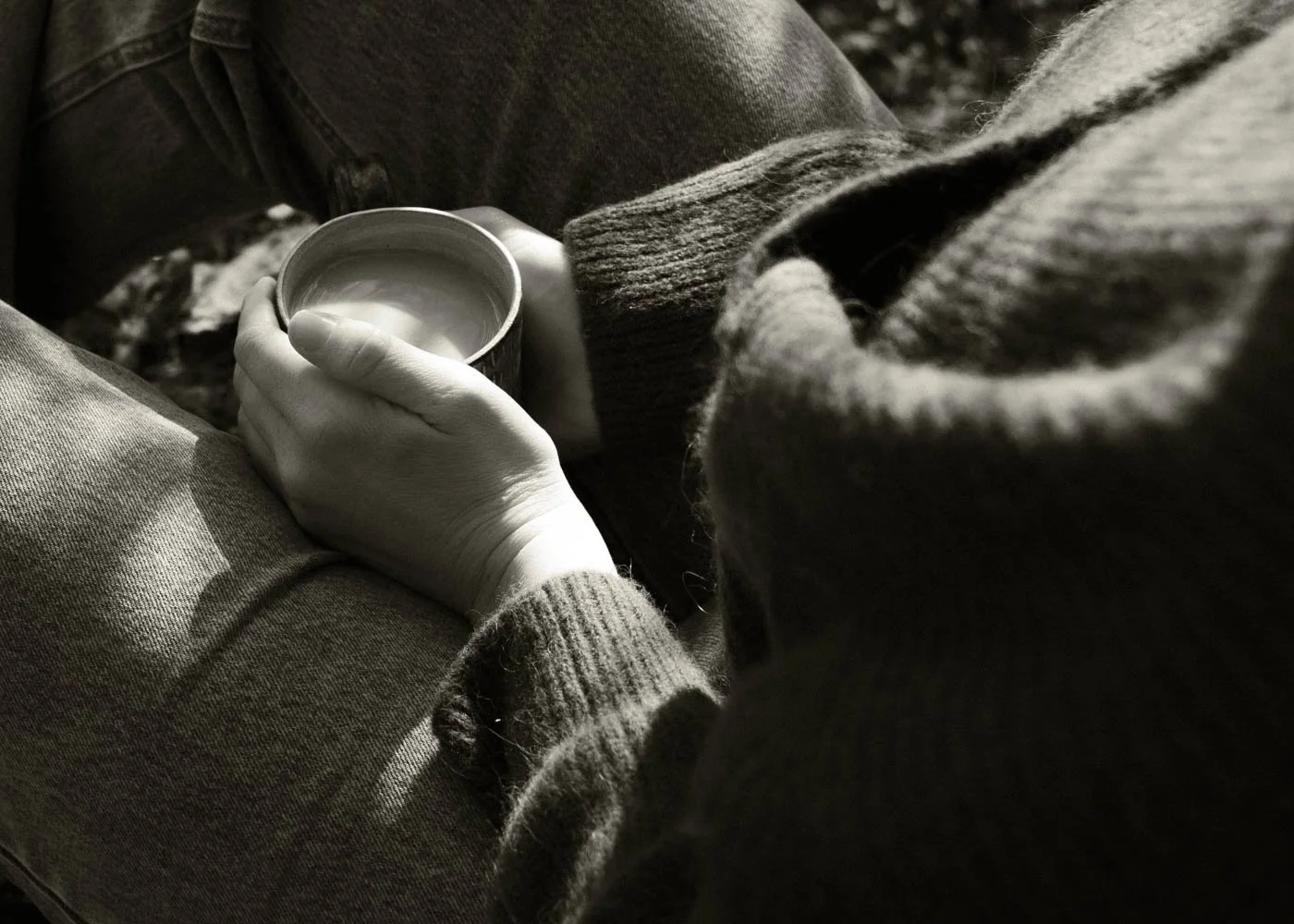
True Rest vs Numbing Out: Why Women Entrepreneurs Need to Know the Difference

You know that end-of-day feeling - the one so many women entrepreneurs will recognise.
It's been a long, full day of other people's demands, time pressure and hard work, and you find yourself finally alone… scrolling mindlessly through social media or binge-watching another series.
Your body is still, but your mind is still wired, your nervous system hums, like it's driven by a motor.
Hours pass, and somehow you feel more exhausted than before.
What nobody tells us is: this isn't rest. And understanding the difference between true rest and numbing out might be the most important distinction we make - not just for our wellbeing, but for the long-term health of the businesses we're building.
The numbing trap: why we mistake checking out for rest
Most of what we call "resting" or relaxation in our culture is actually numbing.
The distinction is crucial:
Numbing disconnects us from our bodies
True rest deepens our connection to ourselves
Numbing creates a false sense of escape
Rest offers genuine renewal and restoration.
Why do we confuse the two?
Because numbing offers immediate relief.
It's the path of least resistance when we're overwhelmed.
It’s a clever skill our body-minds can use, to remove us from the present moment situation - sometimes this is really useful and necessary.
But it never truly satisfies our deeper needs.
And it can become unhelpful when it’s overused.
The exhaustion-collapse cycle
Many of us are caught in a pattern that looks like this:
Push beyond our limits
Hit a wall of exhaustion
Collapse into passive numbing activities (scrolling, watching, consuming)
Feel guilty about "wasting time" and yucky from the experience of it
Push harder to make up for it
Repeat
This isn't a cycle of rest and renewal - it's a cycle of depletion and numbing.
And we often don't recognise we're in it until we're completely burnt out.
The different types of rest your body actually craves
There are lots of different types of rest.
And your wide body seeks a variety of forms of restoration:
Physical Rest:
Deep sleep
Gentle movement
Physical stillness
Mental Rest:
Meditation
Time in nature
Periods of silence
Play
Sensory Rest:
Darkness
Quiet
Freedom from screens
Creative Rest:
Appreciation of beauty
Exposure to art
Time for wonder
Emotional Rest:
Authentic expression
Safe relationships
Permission to feel your feelings
And, depending on what you spend most of your time doing, there’ll be other types of rest that are necessary for you too.
For example: if you spend a lot of time around people and noisy environments, rest for you might look like introversion, however, if you live and work alone, rest might be connecting with others.
What true restoration feels like
You’ll be able to tell if you’ve found true restoration, as it has a distinct flavour that sets it apart from numbing:
You feel more embodied, not less
Your nervous system settles and relaxes
Your mind becomes clearer and brighter, not foggy
You experience a sense of returning home to yourself
Your energy builds rather than drains
Time feels abundant rather than wasted
You finish feeling renewed and replenished.
How can I move from emergency recovery to intentional renewal?
The shift from collapse-based rest to intentional renewal requires a fundamental change in how we view rest itself.
Here's how to begin:
Create restful rhythms:
Schedule rest in your diary first, before exhaustion hits
Build regular restoration points into your day
Honour these appointments as seriously as work commitments
Design your rest menu:
Pay attention and identify the activities that truly restore you
Create different options for different rest needs
Make these easily accessible for when you don’t have the energy to make decisions
Notice your numbing patterns:
Track when you tend to check out and how it feels
Identify your common numbing behaviours
Get curious about what need is actually present in these moments. You can do this by taking a pause and asking the body “what’s present here? What am I trying to avoid feeling”? Whatever arises, let it know “it’s okay, you belong here, what do you really need?” … and see what shifts.
Practice micro-moments of rest:
30-second breath breaks
5-minute nature pauses
10-minute meditation snippets
Build your rest capacity (rest is so very counter-cultural and often tricky to do without feeling guilty):
Start small and consistent
Gradually extend your restful periods
Notice and celebrate the benefits
What's one numbing habit you could transform into a genuine rest practice this week?
Frequently Asked Questions
What is the difference between true rest and numbing out?
Numbing disconnects you from your body, and it creates a false sense of escape but leaves you feeling more depleted than before. True rest deepens your connection to yourself. It restores your nervous system rather than suppressing it. The easiest way to tell the difference is how you feel afterwards: numbing leaves you foggy and guilty whereas genuine rest leaves you feeling like you've come home to yourself.
Why do I feel more exhausted after scrolling or watching TV?
This is because passive screen consumption keeps your nervous system in a low-level activated state - your body is still, but your mind is still running. That hum of stimulation isn't rest, it's a kind of suspended exhaustion. What your body was actually asking for was something quieter - silence, darkness, movement, or genuine connection. Scrolling offers the appearance of a break without any of the restoration.
What are the different types of rest?
Rest isn't just sleep. Physical rest includes deep sleep and gentle movement.
Mental rest looks like meditation, time in nature, or periods of silence.
Sensory rest means reducing stimulation - darkness, quiet, time away from screens.
Emotional rest is being able to express yourself authentically, feel your feelings, and be with safe people.
The type of rest you need most depends on where you've been spending your energy, there's no universal formula.
How do I know if I'm genuinely resting?
True restoration has a distinct quality to it. Your nervous system settles. Your mind gets clearer, not foggier. Your energy builds rather than drains. You finish feeling replenished rather than vaguely guilty.
If you're not sure, pay attention to how you feel 20 minutes after stopping, that's the most honest signal.
Why is it so hard to rest without feeling guilty?
Rest is deeply counter-cultural, particularly for women who've been taught to measure their worth by their output. The guilt is real and it makes sense, but it's a symptom of conditioning, not a signal that you've done something wrong.
Starting small helps: 30-second breath breaks, five minutes outside, a short meditation. The more you practise and notice the benefits, the more your nervous system learns that rest is safe.
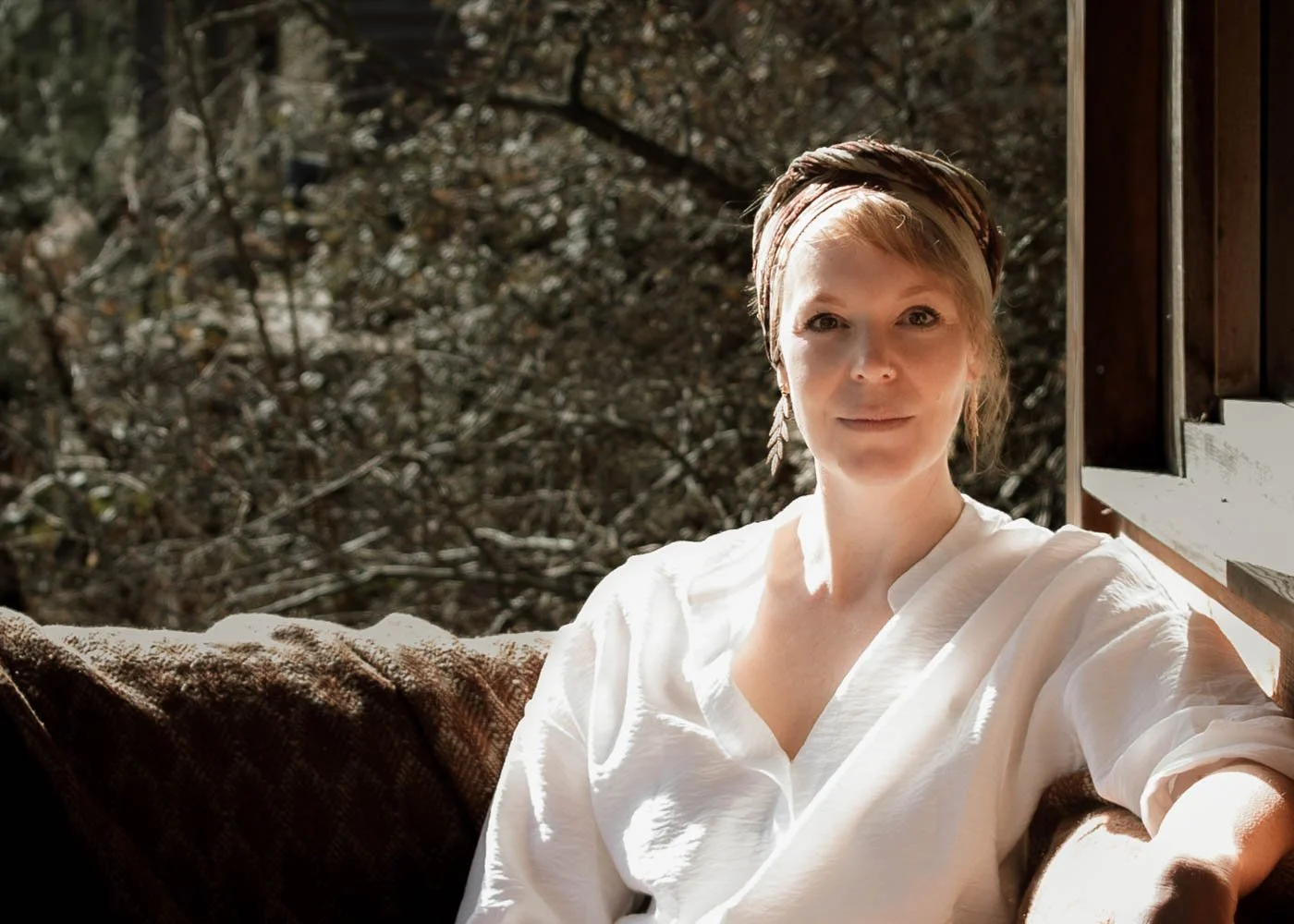
Want to go deeper?
If this resonated with you, I'd love to stay connected. Join my email community for thought pieces, honest reflections, and whatever's currently inspiring me, delivered direct to your inbox.
Ready to feel the power of true rest in your business? Come inside The Success Sanctuary, my six-month programme where ambitious, sensitive women find their way back to themselves and build businesses that feel authentic, aligned, and sustainable.